wellness
Westminster Transport and Hospital Staff Test Sleep Strategies for Night Shifts
Westminster staff on night shifts at transport and hospital sites are testing timed light use and fixed anchor sleeps to cut fatigue.
How we reported this
More than one in four workers on Westminster's night shifts report averaging under five hours of sleep on workdays, according to a June 2026 Office for National Statistics release covering central London boroughs.
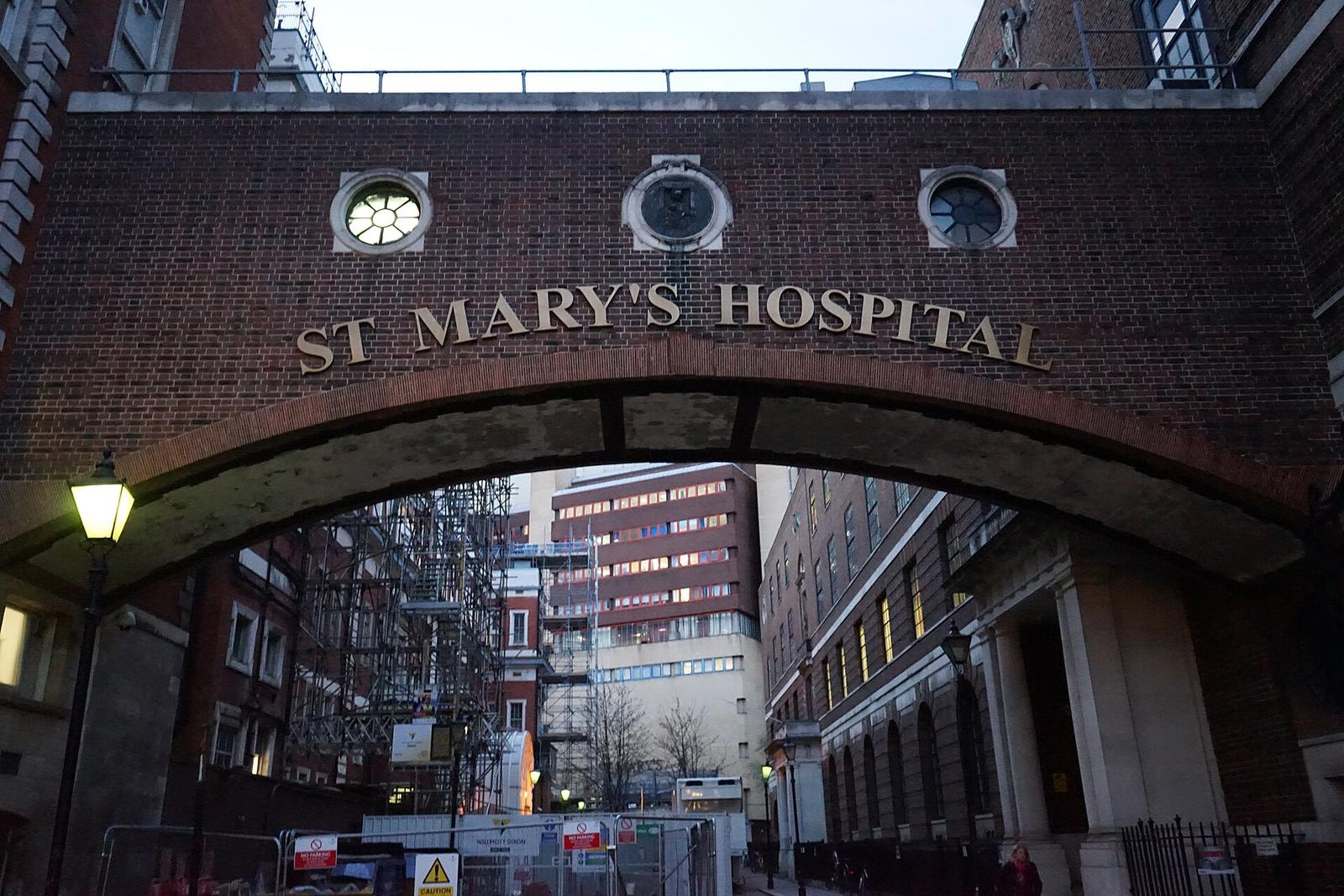
The rise in 24-hour operations along the Elizabeth line and at St Mary's Hospital has pushed irregular schedules onto more residents in the past eighteen months. Transport for London added overnight engineering crews through Victoria Station, while private security firms expanded contracts around Parliament Square, leaving employees to manage split rest periods without consistent daylight cues.
Local options now include the free sleep hygiene drop-ins run every Thursday evening at the Porchester Centre in Bayswater and the anchor-sleep planning sessions offered monthly by Westminster Adult Education Service at its Amberley Road site. Both programmes supply blackout masks and blue-light glasses at cost, with the Porchester sessions drawing twenty to thirty shift workers each week from the surrounding postcodes.
Light timing and fixed anchors
Participants at the Amberley Road classes learn to block morning light after a night shift with wraparound glasses costing £18 from a pharmacy on Praed Street, then expose themselves to bright indoor lamps for thirty minutes before an afternoon anchor sleep. The method keeps the main rest block between 2pm and 8pm on most rotations, reducing the drift that occurs when workers try to sleep at varying times each day.
Residents also use the same approach on days off by maintaining the anchor window rather than switching fully to daytime hours. This limits the recovery period needed before the next block of nights, a tactic tested by several Victoria coach station drivers who attend the Porchester sessions.
Local routines and next steps
Shift workers in the Marylebone and Pimlico neighbourhoods have formed small walking groups that meet at 9pm near Warwick Avenue station before shifts, logging steps that help lower evening cortisol. The groups share a shared spreadsheet for tracking caffeine cut-off times, usually set at six hours before the planned anchor sleep.
Anyone starting a new roster can book a one-off consultation through the Westminster City Council public health team, which lists available slots on its site and refers participants to the Porchester or Amberley Road programmes. Those steps have produced measurable reductions in self-reported daytime sleepiness among the first cohort tracked through July 2026.