wellness
Yoga styles explained: which one suits your lifestyle
From sweaty hot rooms in Dalston to restorative candlelit sessions off Mare Street, Hackney's yoga scene has never been more varied, or more confusing.
How we reported this
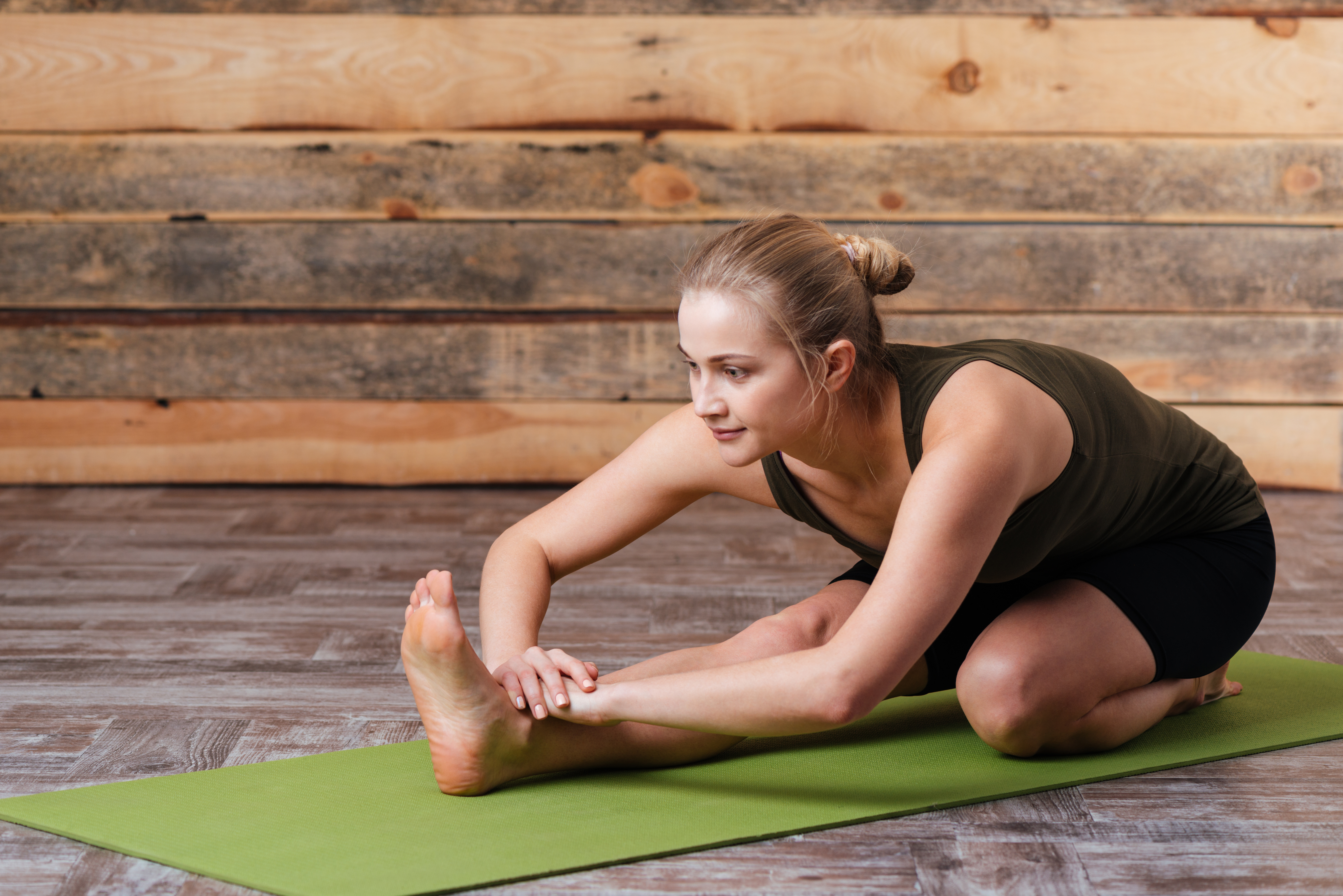
More Hackney residents are unrolling mats than at any point in the borough's recent history. Local studios report that class bookings have risen steadily since 2024, with several venues on and around Broadway Market now running seven-day-a-week schedules to meet demand. The problem most newcomers face is not finding a class, it's knowing which style to walk into.
The timing matters. A combination of post-pandemic mental health awareness, a cost-of-living squeeze that has made people reconsider gym memberships north of £80 a month, and a broader cultural shift toward stress management has pushed yoga from niche to mainstream. Drop-in classes at independent Hackney studios typically run between £14 and £22, making them cheaper than many spin or HIIT alternatives in the area. For residents navigating burnout, housing stress or the general grind of east London life in 2026, the question of which practice actually helps is not academic.
Know your styles before you book
Hatha is the sensible starting point for most people. Classes move slowly, hold poses for several breaths, and prioritise alignment over athleticism. The Hackney Yoga Studio on Amhurst Road runs a dedicated Hatha for Beginners course that cycles through six-week blocks, the next cohort starts 14 July. It suits anyone who wants to build flexibility without feeling like they've wandered into a performance.
Vinyasa is the style you'll find filling the largest rooms on a Saturday morning. Poses link together in flowing sequences tied to the breath, which raises the heart rate and builds functional strength. Triyoga, which has a location on Stoke Newington Church Street just over the Hackney border, runs multiple Vinyasa levels daily. Expect to sweat. Expect to feel it the next morning. Expect to go back.
Yin is the slow burn. Postures are held on the floor for three to five minutes, targeting connective tissue rather than muscle. It is, for many people, the hardest style emotionally, stillness is uncomfortable. The Retreat Hackney, based near London Fields, has built a loyal following with its Sunday evening Yin sessions, which practitioners describe as the weekly reset they didn't know they needed.
Bikram and hot yoga deserve their own paragraph because the commitment is physical before it is philosophical. Classes are held in rooms heated to around 38-40°C. The Bikram sequence runs 90 minutes and cycles through 26 fixed postures. Hot yoga is more fluid. Both make detoxification claims that sports medicine researchers view with scepticism, but the cardiovascular and flexibility benefits are well-documented. The nearest dedicated hot studio to central Hackney is Hot Yoga Penge, though several Dalston venues now offer heated rooms as part of broader timetables.
The evidence behind the practice
A 2021 meta-analysis published in the British Journal of Sports Medicine, covering 37 randomised controlled trials, found that yoga interventions produced statistically significant reductions in perceived stress and anxiety across adult populations. Effects were strongest in participants who practised at least twice weekly. Restorative styles, which includes Yin and Nidra, showed particular promise for sleep quality, relevant in a borough where night-time noise complaints to Hackney Council have consistently ranked among the highest in inner London.
Yoga Nidra, sometimes called yogic sleep, is worth a separate mention. It involves lying still in guided meditation for 30 to 45 minutes and requires no physical ability whatsoever. Several Hackney practitioners now offer it as a standalone session rather than an add-on, and demand has grown sharply among people who report that conventional seated meditation does not hold their attention.
For anyone genuinely unsure where to begin, the practical advice is simple: go twice before you decide. One session is not enough to distinguish between a difficult style and a difficult teacher, or between a practice that is wrong for you and one your body needs time to accept. Hackney's independent studios, unlike many chain gyms, typically offer a first class free or at a reduced rate. The Hackney Yoga Studio, Triyoga Stoke Newington and The Retreat Hackney all run introductory offers. Book the Hatha beginner class, feel the ache in your hips, and go from there. If symptoms are a factor in your decision, speak to your GP before starting any new physical practice.