wellness
Camden Sleep Crisis: Why Residents Are Sleeping Less
Screen time and financial stress are disrupting rest across the district. Local wellness experts share proven strategies to reclaim better sleep.
How we reported this
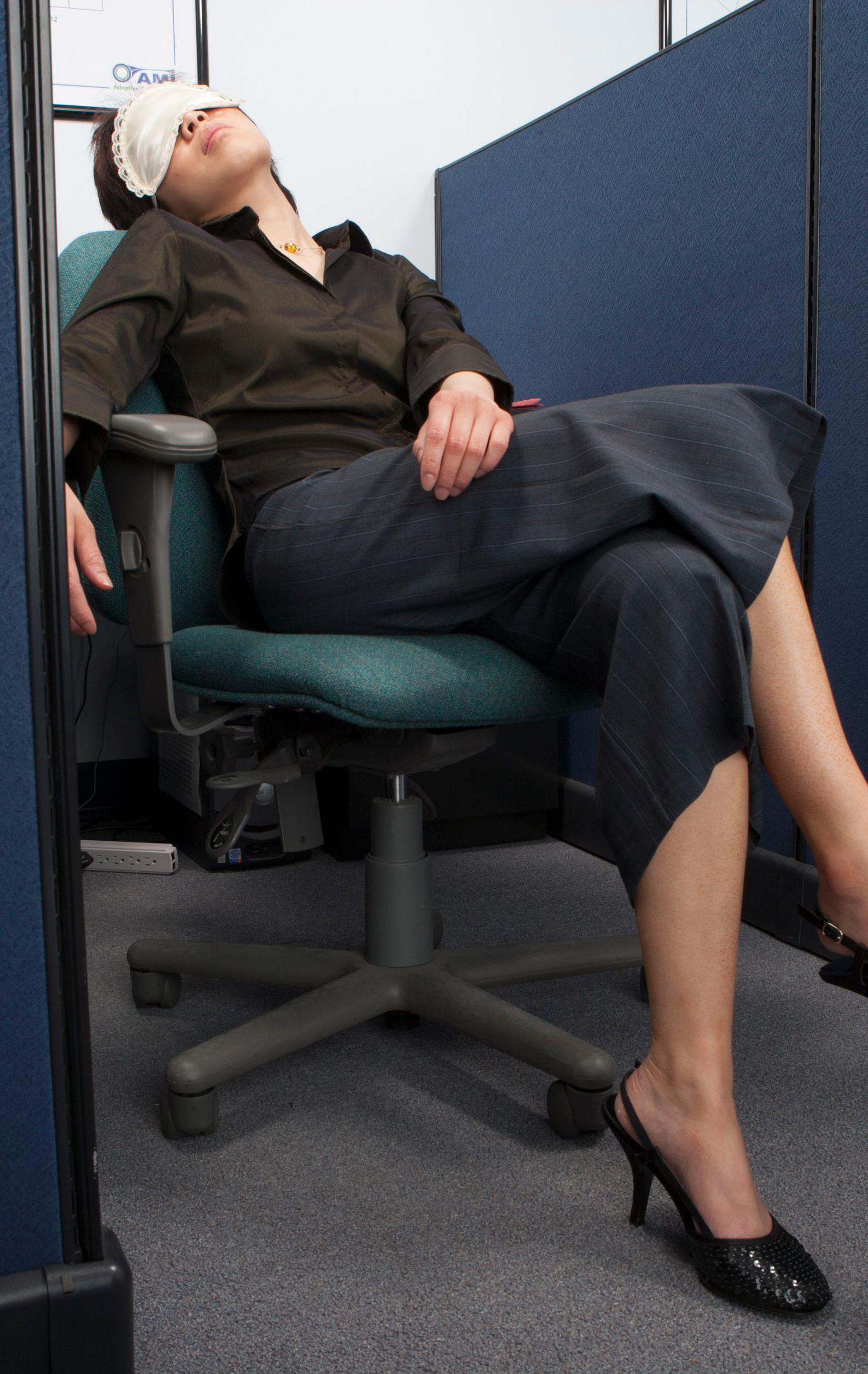
More than a third of adults are getting fewer than seven hours of sleep on a typical weeknight. That number, drawn from a 2025 Sleep Health Foundation survey, has barely shifted in five years, and sleep specialists say the gap between knowing what to do and actually doing it has never been wider.
Camden is not immune. The district's active wellness culture, pilates studios on Argyle Street, running clubs launching from Camden Lakeside precinct at 6 a.m., weekend markets at Camden Showground, masks a quieter problem. Practitioners at several local clinics say appointments related to fatigue, mood disruption and concentration difficulties have climbed noticeably since late 2024, driven by a convergence of economic anxiety, hormone confusion and the now-ubiquitous blue-light trap of late-night screens.
The timing matters. Mortgage stress across the Macarthur region has been real and documented. First-home buyers are hesitating, repayments have stretched household budgets thin, and that kind of low-grade financial dread has a well-understood physiological mechanism, it elevates cortisol, the body's primary stress hormone, at exactly the wrong time of night. Cortisol is supposed to be at its lowest between 10 p.m. and 2 a.m. When it isn't, the brain stays on alert and sleep architecture fragments into lighter, less restorative cycles.
What's Actually Disrupting Sleep
Three culprits come up repeatedly. First: screens. The 2025 Australian Institute of Health and Welfare report on digital habits found adults aged 25-54 average 47 minutes of smartphone use in the hour before bed, enough blue-light exposure to suppress melatonin production for up to 90 minutes. Second: alcohol. Camden Valley Way has no shortage of bottle shops, and the cultural habit of a glass of wine to "wind down" is, biochemically, a sleep-wrecker. Alcohol sedates initially but fragments REM sleep in the second half of the night, leaving drinkers groggy despite a full eight hours in bed. Third: inconsistent wake times. Camden's weekend farmer's market crowd, rising at 5:30 a.m. on Saturdays then sleeping until 9 a.m. on Sundays, is essentially giving itself mild jet lag every single week.
Hormones add another layer. Growing awareness of perimenopause and testosterone decline, particularly among residents in their 40s and 50s, has brought more people to Camden's GP clinics and allied health providers asking about HRT and sleep. The Camden-Narellan health corridor, anchored by practices along Queen Street in Camden and the Narellan Medical Centre on Queen Street Narellan, has seen a measurable uptick in hormone-related consultations since early 2025, according to general information shared by the South Western Sydney Primary Health Network.
Practical Steps, Starting This Weekend
The advice from sleep researchers is less glamorous than a supplement stack but considerably more effective. Set a fixed wake time, 7 a.m. every day, including Sundays, and hold it for three weeks minimum. That single intervention, studied in a 2023 trial published in the journal Sleep Medicine, improved sleep quality scores by 22 percent without any other changes. Keep the bedroom below 19 degrees Celsius; Camden winters already help here, but central heating can sabotage that advantage by morning.
Locally, the Camden Community Centre on John Street runs a Wednesday morning mindfulness session, $12 per class, that several participants credit with reducing the racing-thoughts problem that keeps people staring at the ceiling at midnight. The Onslow Park walking trail, lit along its central 1.4-kilometre stretch, offers a genuinely viable after-dinner walk that can accelerate the body's natural temperature drop and bring forward sleep onset by 20 to 30 minutes.
Caffeine cut-off time deserves more respect than it gets. Research consistently shows caffeine has a half-life of five to seven hours, meaning a 3 p.m. flat white from a Argyle Street café still has half its stimulant load circulating at 8 p.m. Pushing the last coffee to before noon is uncomfortable for about a week and then, most people report, largely painless.
Anyone whose sleep problems persist beyond four weeks, or whose fatigue is accompanied by mood changes or unexplained weight shifts, should book an appointment with a local GP rather than self-diagnose. The South Western Sydney Primary Health Network lists bulk-billing practices across the Camden and Narellan area on its website. Chronic poor sleep is a medical issue, not a lifestyle preference, and treating it that way is usually where recovery starts.