wellness
Camden Workers Master Three Breathing Techniques to Reduce Daily Stress
Breathwork doesn't require a studio, a mat, or even a spare minute, here's how to use it anywhere in your day.
Listen in English · 4 min
How we reported this
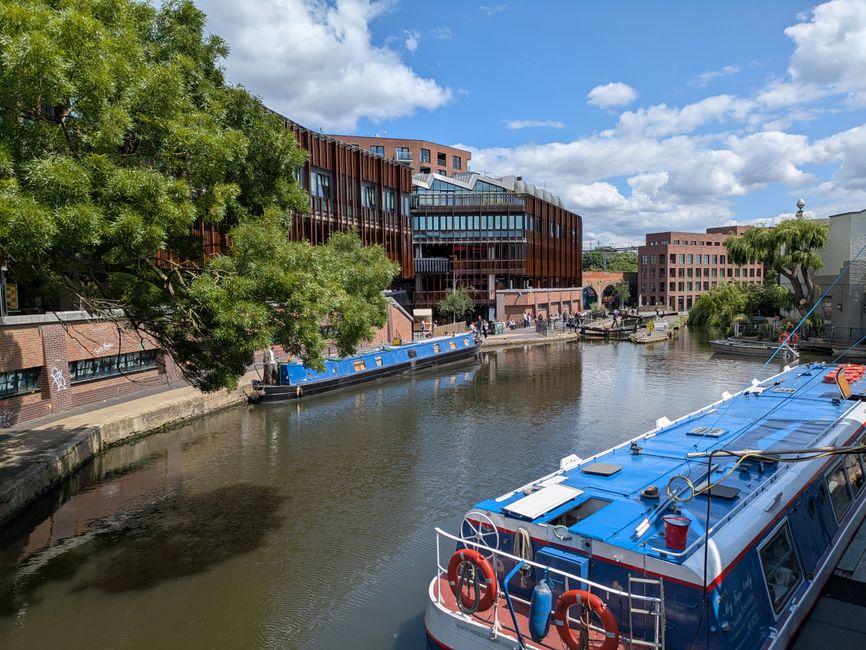
The lunch rush at Camden Town Market is loud, the Northern line is delayed again, and your 2pm meeting has just been pushed forward by an hour. Stress, for most people in this borough, is not an occasional visitor, it's a daily companion. What's changing is how some Camden residents are choosing to meet it: not with a coffee or a scroll, but with a deliberate breath.
Breathwork, the structured, conscious manipulation of how you inhale and exhale, has moved well beyond yoga studios and wellness retreats. Practitioners and researchers now describe it as one of the fastest ways to interrupt the body's stress response, requiring no equipment, no booking, and no particular corner of Camden. On a busy Thursday in July, that accessibility matters more than ever. The cost-of-living squeeze, housing market uncertainty, and the blurring of work and home life have made baseline anxiety a near-universal complaint among the borough's working-age population.
Why breathwork works, and what the evidence says
The physiological case is straightforward. When you're stressed, your sympathetic nervous system, the fight-or-flight circuit, dominates. A slow, extended exhale activates the vagus nerve and triggers the parasympathetic response, dropping heart rate and lowering cortisol within seconds. A 2023 study published in Cell Reports Medicine found that five minutes of cyclic sighing, a double inhale through the nose followed by a long exhale through the mouth, reduced self-reported anxiety more effectively than mindfulness meditation over the same period. The researchers tested the protocol across 114 participants over 28 days.
Three techniques stand out for their practicality in an urban working day. The first is box breathing: inhale for four counts, hold for four, exhale for four, hold for four. It's used by emergency services personnel globally because it can be done silently, in a meeting, on a Tube platform, or sitting at a desk on Kentish Town Road. The second is the physiological sigh, two short nasal inhales followed by one long exhale, which deflates the small air sacs in the lungs that collapse under stress, restoring oxygen-carbon dioxide balance almost immediately. The third is 4-7-8 breathing, developed by Dr Andrew Weil: inhale for four counts, hold for seven, exhale for eight. It's slower and better suited to a break room than a packed Central Line carriage, but even one cycle produces a measurable drop in heart rate.
Where Camden locals are learning these skills
Several local organisations have been building breathwork into their regular programming. Camden Active, which runs sessions across the borough including at Talacre Community Sports Centre on Rousden Street in Gospel Oak, introduced a dedicated breathwork and recovery class to its Wednesday morning schedule in March 2026. Sessions run for 45 minutes and cost £8, or are included in the centre's monthly wellness pass at £35. Instructor-led classes there typically cap at 12 participants to keep the atmosphere manageable.
Further along the high street, the Well Works studio on Parkway in Camden Town has offered lunchtime breathwork drop-ins since January, 20-minute express sessions priced at £6 that are specifically designed for office workers who can't commit to a longer class. The sessions fill quickly; booking at least 48 hours ahead is advisable. The Camden Wellbeing Hub, operating out of the Greenwood Centre on Holmes Road in Kentish Town, also runs free community breathwork workshops on the first Tuesday of each month, supported by a Mind Camden grant that funds six sessions through December 2026.
None of this requires joining anything. The most useful starting point is the same for everyone: stop, notice you're breathing fast and shallow, and take one slow double-inhale followed by an extended exhale. Do it three times. Neuroscientists at Stanford University published findings in 2022 confirming that even a single physiological sigh cycle measurably reduces arousal state. Three repetitions, they found, is where the effect becomes reliable.
That's under two minutes. The Northern line will still be delayed. The meeting will still be early. But the body running you through all of it will be in a measurably different state, and that, according to the evidence, is a reasonable place to start. Camden residents looking for structured guidance are advised to speak with a local GP or a qualified breathwork instructor before beginning a regular practice, particularly if they have respiratory or cardiovascular conditions.