wellness
The Sleep Environment Checklist for Better Rest
From bedroom temperature to blue light, Camden's wellness community is getting serious about the space where sleep actually happens.
How we reported this
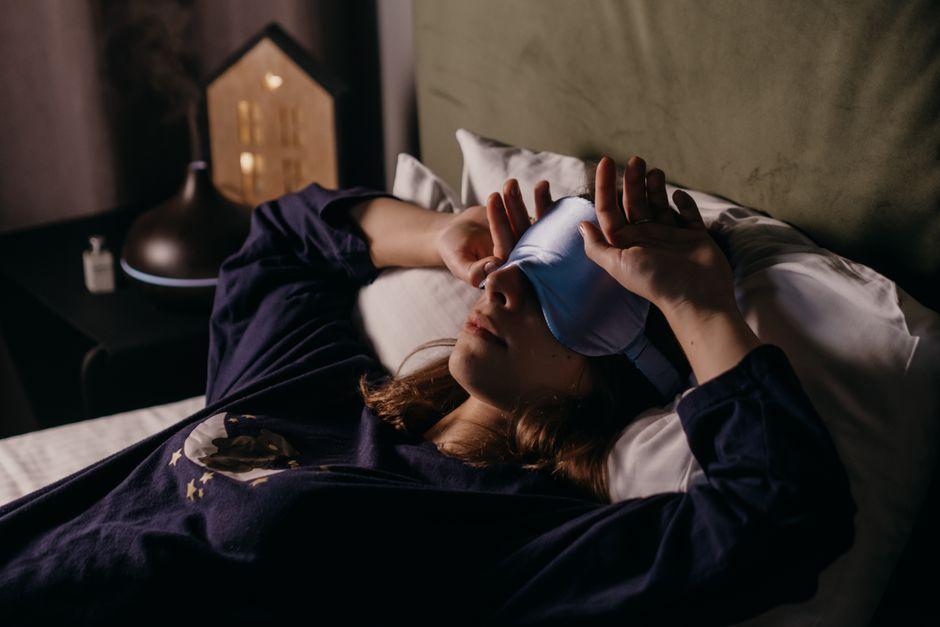
Most Camden residents who complain about poor sleep are blaming stress, screens or caffeine. They're largely ignoring the room itself. Sleep specialists increasingly argue the physical environment, temperature, light, noise, bedding materials, accounts for a larger share of sleep quality than any single behavioural habit. Get the room wrong, and the 7-to-9-hour target recommended by the Sleep Health Foundation becomes almost impossible to hit consistently.
The timing matters. July's shorter days and cooler nights create a narrow window where the conditions for genuinely restorative sleep are either locked in or squandered. Winter gives Camden households a natural advantage, cooler ambient temperatures sit closer to the 18-19 degrees Celsius range that sleep researchers at the University of California identified in 2023 as optimal for sleep onset. The problem is most people overcorrect, cranking central heating to 23 or 24 degrees and effectively working against their own biology.
What the Checklist Actually Covers
The checklist breaks into five categories: temperature, light, sound, air quality and bedding. Temperature comes first for a reason. The body needs its core temperature to drop by roughly 1-2 degrees to initiate sleep. Heated bedrooms delay that process. A programmable thermostat set to drop to 18 degrees by 9 p.m. is a cheap intervention, smart thermostats from Bunnings Camden, on Argyle Street, run between $89 and $179 and can be programmed in under ten minutes.
Light is the second lever. Blackout curtains or blinds eliminate the streetlight spill that is increasingly common along Camden High Street and the newer residential precincts around Oran Park Podium. Blue light filtering on devices should kick in two hours before bed, most phones running iOS 17 or later have this built into the Night Shift scheduler. It costs nothing and takes 30 seconds to set.
Sound is trickier in Camden's expanding suburbs. Traffic along the Camden Bypass and construction activity near the Elderslie growth corridor mean ambient noise floors have risen noticeably since 2022. White noise machines, available from the Camden Natural Health Centre on John Street, start at around $55. Alternatively, free apps like Brain.fm offer structured acoustic environments clinically tested for sleep. Earplugs remain the bluntest and cheapest tool, a box of 50 disposable foam pairs costs under $8.
Air quality is the checklist item most people skip entirely. Bedroom CO2 levels above 1,000 parts per million, easily reached in a sealed winter room, are linked to fragmented sleep and morning grogginess in research published in the journal Indoor Air in 2022. Opening a window by 5 centimetres, even in July, keeps levels manageable. A basic air purifier with a HEPA filter runs between $120 and $250 at most Camden homewares retailers.
Local Resources Worth Knowing
Camden Valley Wellness, operating out of the Narellan Town Centre precinct, runs a monthly sleep hygiene workshop that covers environment setup alongside behavioural strategies. The next session is scheduled for 19 July 2026 and costs $35 per person. It fills quickly, registration opened last week.
Bedding choices round out the checklist. Natural fibres, wool, bamboo, linen, regulate temperature more effectively than synthetic alternatives during seasonal transitions. The Sleep Health Foundation notes that mattress age is frequently overlooked: mattresses older than eight years show measurable degradation in spinal support, and the average Camden household replaces a mattress every eleven years according to 2024 retail survey data compiled by the Australasian Sleep Association. That two-to-three-year gap is not trivial.
The practical entry point is straightforward. Spend one evening this week walking through each of the five categories with a notepad. Measure your bedroom temperature at 10 p.m. Check what's generating light after dark. Listen for what you'd normally tune out. The cost of fixing most of these problems sits well under $200 total, considerably less than a consultation with a sleep clinic, which Camden residents can access through Camden Hospital's outpatient referral pathway if problems persist. Start with the room. Then reassess what's left.