Technology
Brixton deploys solar panels and food waste digesters in green tech expansion
The neighbourhood that launched the UK’s first inner-city renewable energy co-op on social housing is preparing a suite of new technologies, from blockchain-powered peer-to-peer energy trading to anaerobic digestion.
How we reported this
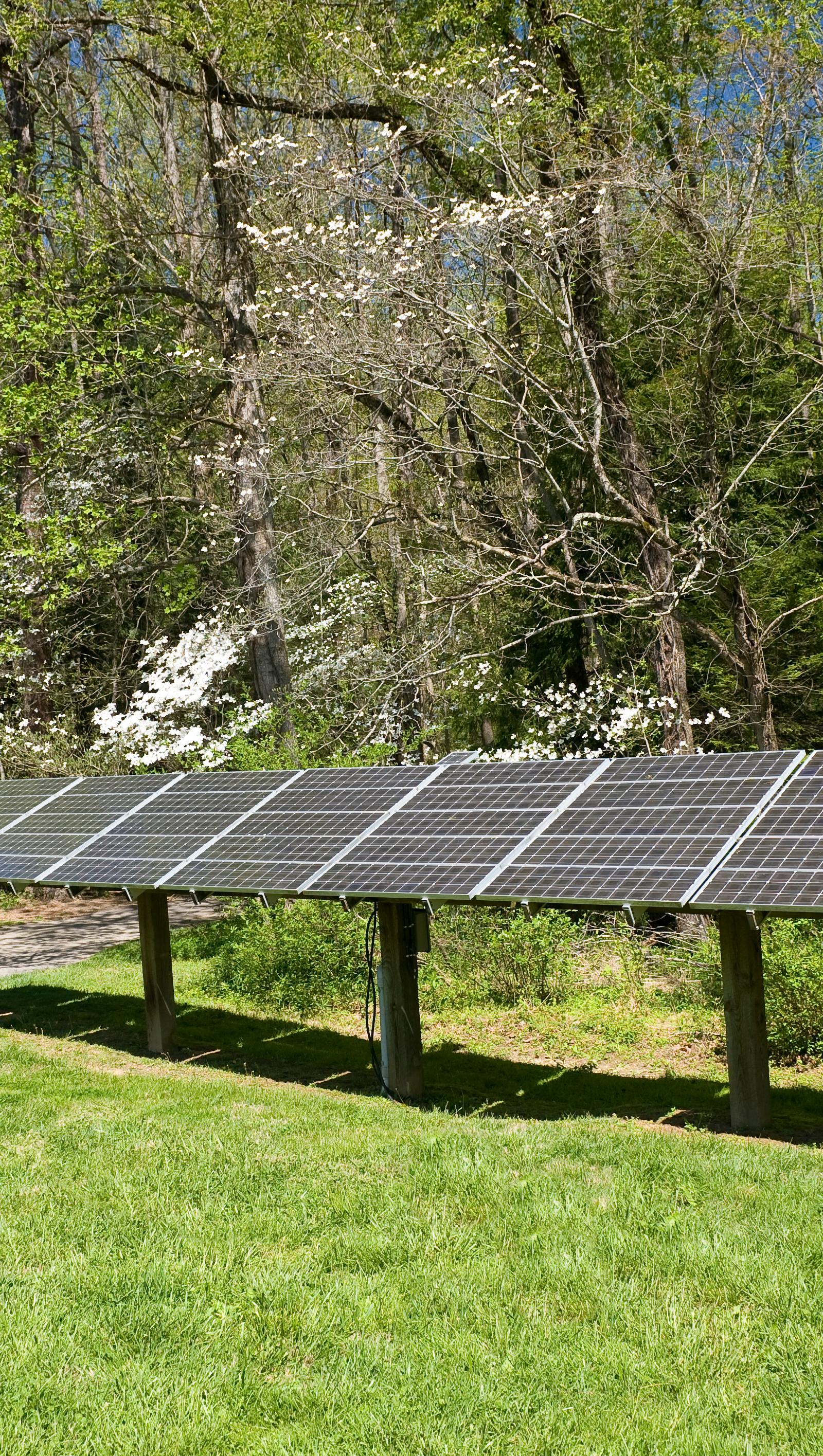
Brixton’s pioneering community energy co-op is mapping out a future that goes well beyond rooftop solar. The same network that installed the UK’s first inner-city, cooperatively owned renewable energy project on social housing is now laying groundwork for technologies including combined heat and power (CHP) systems, energy storage, LED street lighting, and anaerobic digestion processors designed to turn food waste into heat and gas.
From Three Estates to a Borough-Wide Blueprint
Brixton Energy, the co-op behind solar installations on Elmore House, Styles Gardens, and Roupell Park estates, has identified seven potential sites across the neighbourhood capable of hosting up to 1 MW of community-owned renewable capacity. As of 2017, around 0.5 MW of that target had already been earmarked for solar generation, according to project documents filed by the co-op and its partner organisation Repowering London.
Now Repowering London is expanding the scope. Alongside new solar arrays, the group is assessing plans for combined heat and power units that could supply both electricity and heating to local blocks, as well as battery storage systems that would allow residents to bank power generated during peak sunlight. Street lighting across estates could also be converted to LEDs, cutting electricity demand from common areas.
Perhaps the most ambitious project on the drawing board is an anaerobic digestion processor, essentially a sealed tank where microorganisms break down food waste to produce biogas. If deployed, it could turn leftovers from Brixton’s market stalls and households into a local source of heat and gas, closing a loop that currently sees most organic waste trucked out of the borough.
Blockchain Trading and a Free Electric Van
Some of these innovations are already being tested in miniature. Residents at Elmore House are trialling a peer-to-peer energy network that uses blockchain technology to trade solar electricity between flats and store surplus in batteries. The system, one of the first of its kind on a UK housing estate, lets tenants sell excess generation to neighbours rather than feeding it all back to the grid.
Separately, Brixton launched London’s first free shared electric van scheme for small businesses in December 2019. The 100% electric Renault EV is available to local traders who need to make short deliveries or collections without adding to the area’s air pollution. The van scheme, run in partnership with the council, is designed to give small enterprises a zero-emission logistics option in a neighbourhood where diesel vans have long been a major source of nitrogen dioxide.
The completed solar projects alone are cutting carbon output by an estimated 20 tonnes per year. The Styles Gardens phase of the co‑op’s rollout saves 16 tonnes of CO₂ annually, according to published project reports.
What Comes Next
None of the future technologies, the CHP units, the anaerobic digesters, the estate-wide LED conversions, have fixed installation dates yet. Repowering London has said the projects depend on securing further grant funding and community investment commitments, which have historically come through share offers open to local residents.
What is clear is the direction of travel. Brixton Energy’s model, in which social housing tenants own and benefit directly from local generation, is being watched by other London boroughs and by European networks studying how to scale cooperative energy ownership in dense urban areas. For now, the priority remains securing the sites and the capital to move from plans to construction.
The seven potential sites identified by the community represent a roadmap that could double current renewable capacity in the area. Whether that happens in the next two years or stretches to the end of the decade will depend on how quickly the finance and the permitting line up.
References Sourced but Not Limited to:
- brixtonenergy.co.uk · Current projects
- housingevolutions.eu · Brixton energy social housing tenants owning their energy
- brixtonenergy.co.uk · Our first project
- solarpowerportal.co.uk · Community owned solar array set to help londons most deprived
- essmag.co.uk · Brixton residents trial smart flexible energy project
- transitionculture.org · A visit to brixton energy were not wedded to solar panels were wedded...