property
Build-to-Rent in Camden: What the New Developments Actually Offer Renters Priced Out of Buying
As homeownership slips further out of reach for thousands of Camden residents, purpose-built rental schemes are pitching themselves as the long-term answer, but do the numbers stack up?
How we reported this
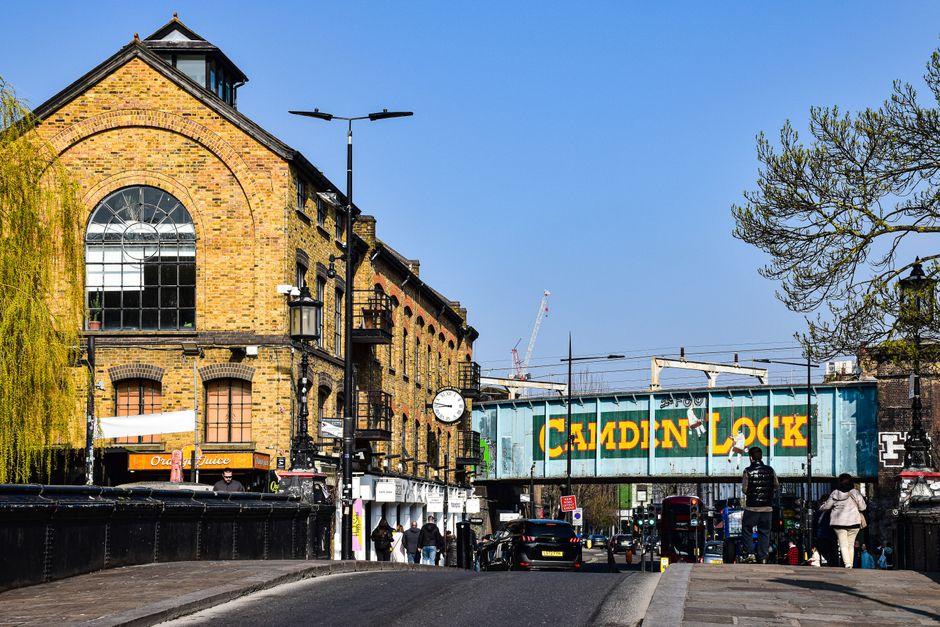
Camden's average asking price for a two-bedroom flat crossed £700,000 earlier this year, according to Rightmove data compiled in the spring of 2026. For most renters earning median London wages, that figure is not a stretch goal, it is a closed door. Into that gap have stepped build-to-rent developers, who now account for a growing share of the planning applications sitting before London Borough of Camden's housing committee.
The timing matters. The government's revised National Planning Policy Framework, updated in late 2025, gave local authorities new levers to mandate affordable tenancies within build-to-rent schemes. Camden Council has been among the more aggressive boroughs in applying those levers, requiring that a minimum proportion of units in qualifying developments carry what planners classify as discounted market rent, typically set at around 80 percent of the local open-market rate. That policy shift has brought at least three significant build-to-rent proposals forward in the borough since January 2026.
What Tenants Actually Get
Build-to-rent is not the same as a standard private let. The model, pioneered at scale in the United States and more recently embedded in inner London neighbourhoods like King's Cross and Stratford, bundles the tenancy with on-site management, longer lease terms, commonly three years rather than the standard six-month assured shorthold, and shared amenities ranging from co-working lounges to rooftop terraces. One development currently under construction near Kentish Town Road, being delivered by a major institutional investor, is advertising furnished studios from £1,850 per month alongside a resident app, 24-hour concierge and gym access included in the headline rent.
For comparison, a self-managed studio on a standard AST in the same NW5 postcode is currently listing on Zoopla at between £1,600 and £1,750 per month, cheaper on paper, but without the security of tenure or bundled services. The question Camden renters are increasingly asking is whether the premium buys peace of mind or simply a better-decorated version of the same precarity.
At Gospel Oak, a mixed-tenure regeneration project backed by a housing association partnership is taking a different approach. Rather than positioning its build-to-rent units purely at the market end, the scheme reserves roughly 35 percent of its 180 homes for discounted market rent, with priority allocation for existing Camden Council housing register applicants. That model is closer to what housing campaigners have been pressing for since the borough's Local Plan review of 2023.
The Buyer Comparison
The maths of renting versus buying in Camden has rarely looked more stark. A household needing a £560,000 mortgage on a two-bedroom flat in Tufnell Park, assuming a 20 percent deposit already saved, would face monthly repayments north of £3,100 at current five-year fixed rates hovering around 4.4 percent, according to figures from Moneyfacts published in June 2026. A build-to-rent equivalent in the same area comes in several hundred pounds cheaper per month, and without the upfront capital requirement. For renters in their late twenties and thirties who cannot call on the Bank of Mum and Dad, that arithmetic is increasingly decisive.
What build-to-rent does not solve is the fundamental asset-building gap. Renters in these schemes accumulate no equity. After five years of paying £2,200 a month, a realistic mid-range figure for a one-bedroom Camden build-to-rent flat, a tenant has spent more than £130,000 and owns nothing. A buyer making equivalent payments into a mortgage, even at today's rates, holds a depreciating-then-appreciating asset and benefits from any capital growth in one of London's most constrained housing markets.
Camden Council's housing team is due to publish its updated Residential Market Study before the end of the third quarter of 2026, which is expected to include the first borough-wide breakdown of build-to-rent supply against projected demand. Prospective tenants weighing their options would do well to read that document carefully when it lands, and to scrutinise any build-to-rent lease for break-clause terms, rent escalation caps and what happens to their discounted rent designation if the scheme is subsequently sold to a new operator. The amenities photograph well. The small print is where the real terms live.
This article is general information only and is not personal financial or investment advice. Consider your own circumstances and seek licensed professional advice before making financial decisions.