Politics
Local Government Finance Bill 2026 Directs Westminster Grants by Visitor Numbers, Shifting Support from Residential Wards to Commercial Zones
Westminster residents in central commercial wards gain expanded street maintenance and event budgets while those in residential areas such as Maida Vale and Queens Park face projected reductions in youth outreach and library funding.
How we reported this
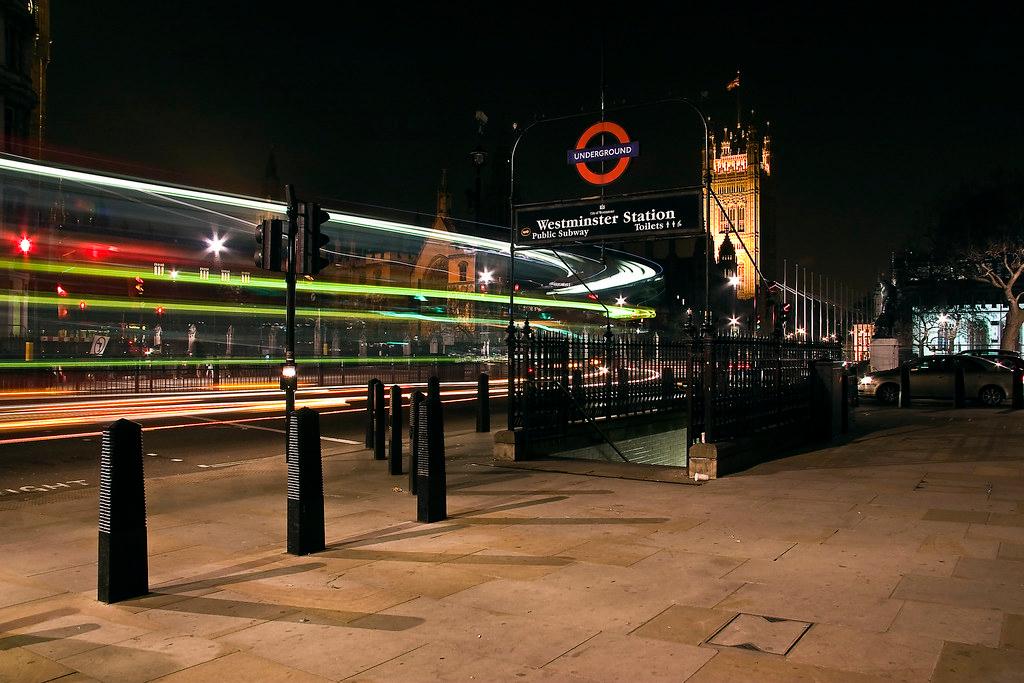
The Local Government Finance Bill 2026, which completed its passage through Parliament on 4 July, ties a portion of central grants to annual visitor counts and business rate receipts rather than population alone. This change directly affects the City of Westminster's allocation of £312 million in core funding for the 2026-27 financial year, with the legislation published by the Department for Levelling Up, Housing and Communities stating that 35 percent of the discretionary element will now follow footfall data.
Why the Shift Occurs at This Point
Westminster City Council submitted its latest visitor and rates statistics to the department in March 2026, showing 28 million annual visitors concentrated in three central wards. The bill's formula applies those figures to the current grant round, replacing the previous population-weighted model used since 2019. Council budget papers record that the change takes effect from 1 September 2026, with the first quarterly payments adjusted accordingly.
Residents in St James's, West End and Knightsbridge wards will receive an extra £1.8 million for pavement repairs and crowd management during peak periods. In contrast, the same formula reduces the allocation to Maida Vale and Bayswater by £620,000, which the council has previously spent on after-school clubs and branch library opening hours. Local advocates note that these wards recorded visitor numbers below the new threshold and therefore lose out under the revised calculation.
Budget Figures and Service Examples
The 2026-27 budget paper lists concrete line items: £890,000 for additional street cleansing teams in the three high-visitor wards and £310,000 for expanded park policing during summer events. The same document shows a corresponding cut of £240,000 from the youth services envelope serving 4,200 registered participants across the northern wards. These figures come directly from the published grant schedules attached to the bill.
Implementation begins with the September payment cycle. Westminster City Council must publish its revised service schedule by 15 August, and residents can submit comments through the council's standard consultation portal until 22 August. The legislation requires the council to report back to the department on actual expenditure by 31 March 2027.