Politics
Brixton Residents Face Two Ballot Measures This Autumn: Here Is What Changes and When
A community infrastructure levy vote and a mayoral devolution referendum are both scheduled for November 2026, with the first spending decisions expected to land on Lambeth Council's desk by spring 2027.
How we reported this
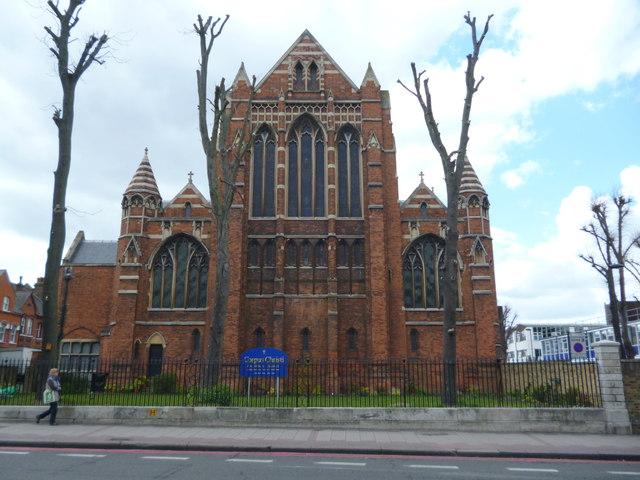
Two separate public votes will land on Brixton doorsteps this November, giving residents a direct say over local infrastructure funding and the shape of London's regional governance. The first is a Lambeth-wide community infrastructure levy ballot, which would allow the council to ring-fence developer contributions for neighbourhood improvements in wards including Brixton Hill, Coldharbour and Tulse Hill. The second is a broader London-wide mayoral devolution referendum, flowing from the Devolution to Mayoral Combined Authorities framework advanced in the 2024 English Devolution White Paper, which would expand the Mayor of London's powers over transport spending and housing compulsory purchase. Both votes are non-binding in a strict legal sense, but Lambeth Council has confirmed in its June 2026 cabinet report that it will treat the infrastructure levy result as a formal policy mandate.
The timing matters. Lambeth is carrying a budget gap the council itself put at £36 million for 2026-27 in its February budget papers, and officer reports have repeatedly flagged that Brixton town centre regeneration commitments, including the Somerleyton Road development corridor, are at risk of delay without new revenue streams. The infrastructure levy ballot is therefore not a theoretical exercise. A yes vote would unlock a supplementary charging schedule, applied to new residential developments of ten units or more, projected by council officers to generate between £4 million and £6 million annually across the borough. A no vote would leave the council relying solely on negotiated Section 106 planning agreements, which local planning officers have described in public committee sessions as inconsistent and difficult to enforce on smaller schemes.
What Residents Will Actually Feel, and When
For most Brixton households, the earliest tangible effect of either vote will not arrive until late 2027 at the earliest. If the infrastructure levy passes in November, Lambeth must still run a statutory six-week consultation on the final charging schedule before it can adopt the measure, meaning the first levy receipts are not projected to reach the council's capital programme until the 2027-28 financial year. Community groups in Coldharbour ward have been told that pedestrian improvements along Atlantic Road and additional funding for the Brixton Recreation Centre refurbishment are among the schemes that would sit in the first spending tranche, according to the council's draft Infrastructure Funding Statement published in May 2026.
The mayoral devolution referendum operates on a slower clock. Were Londoners to vote yes, the transfer of additional housing and transport powers would require primary or secondary legislation at Westminster, and policy analysts at the Centre for London research body have previously estimated that similar devolution processes take between 18 and 30 months from vote to full implementation. For Brixton specifically, expanded mayoral compulsory purchase powers could accelerate stalled affordable housing negotiations on sites near Brixton Station Road, where three schemes have been in pre-application discussion with Transport for London since 2023. But residents should not expect planning approvals to change before 2028 under the most optimistic scenario.
How to Register and What the Ballot Papers Will Say
Lambeth Electoral Services has set a voter registration deadline of 20 October 2026 for both votes. Residents already on the electoral roll do not need to re-register. The council is running in-person information sessions at Brixton Library on Effra Road on 15 and 22 September, where planning officers will be present to answer questions about the levy charging schedule. Postal vote applications close on 28 October. The infrastructure levy question will appear as a single yes-or-no proposition; the mayoral devolution question will use a three-option preferential format covering expanded powers, status quo, and a governance review panel instead. Lambeth Council's June cabinet report confirmed that results from both ballots will be reported to full council at its December 2026 meeting, with formal policy responses expected to be agreed no later than February 2027. Residents wanting to read the draft charging schedule in full can find it on the Lambeth planning portal under reference LLP-CILCS-2026.