Politics
Brixton Community Infrastructure Referendum to Allocate Council Funds for Jobs and Transport Links
The September ballot measure would direct Lambeth Council resources to infrastructure upgrades and employment programs serving Brixton residents who rely on local transport and services.
How we reported this
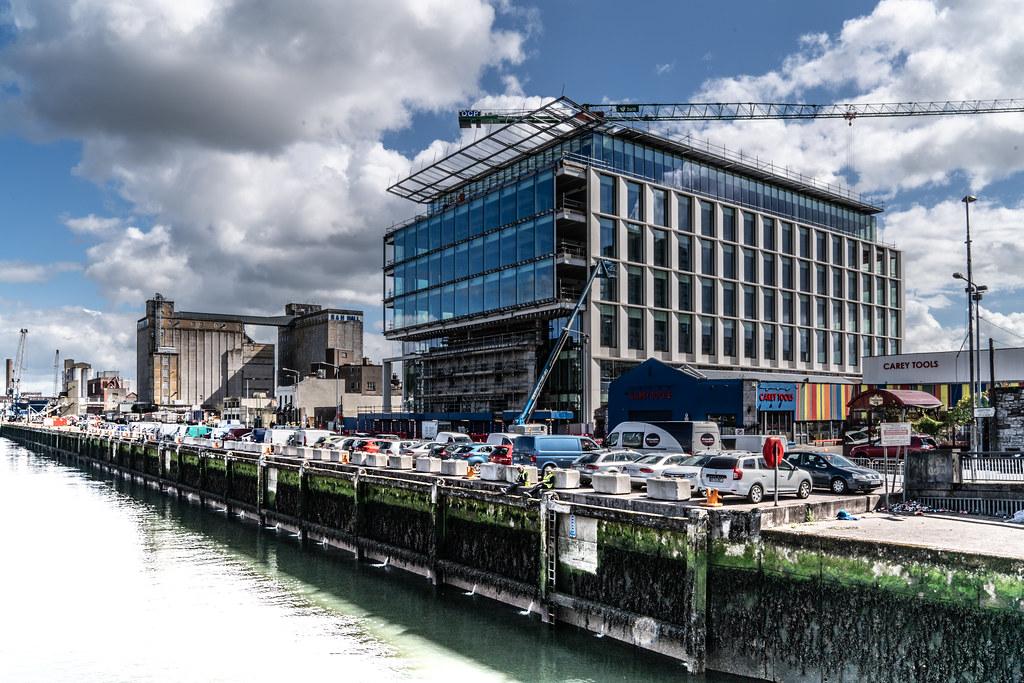
Voters across Brixton face a referendum on 12 September that asks whether Lambeth Council should commit part of its annual budget to new infrastructure and job support measures. The ballot measure, titled the Community Infrastructure and Employment Allocation, covers upgrades at Brixton Underground station and nearby road networks plus funding for training schemes tied to construction work.
The vote follows the council's release of its 2026-2027 draft budget papers, which project shortfalls in capital spending after national grant reductions. Lambeth officials scheduled the referendum to seek direct resident approval before finalising allocations for transport and skills programs.
Effects on daily travel and employment access
Passage of the measure would earmark funds for platform extensions at Brixton station and new bus priority lanes along Brixton Road. Residents who commute to central London jobs would see projected changes in journey times, while construction contracts could create temporary roles for local workers living near Coldharbour Lane.
Separate provisions in the document direct money to apprenticeship places linked to the station works. Policy analysts note these placements would target people already registered with Lambeth's employment service, though the number of positions remains subject to tender outcomes.
Next steps after the vote
If approved, the council must incorporate the allocations into its final budget by October. The legislation requires quarterly progress reports on spending, with updates published on the Lambeth website and presented at public meetings held at Brixton Library.
Rejection would leave existing capital plans unchanged, returning decisions to the full council without the referendum mandate. Turnout figures from the last local ballot in 2022 will serve as the baseline for comparison once results are declared.