news
Camden Faces Critical Decisions on Traffic Speeds and Air Quality
The London Borough of Camden's road management and rail hub status set the stage for ongoing choices about traffic speeds, network oversight and air quality.
How we reported this
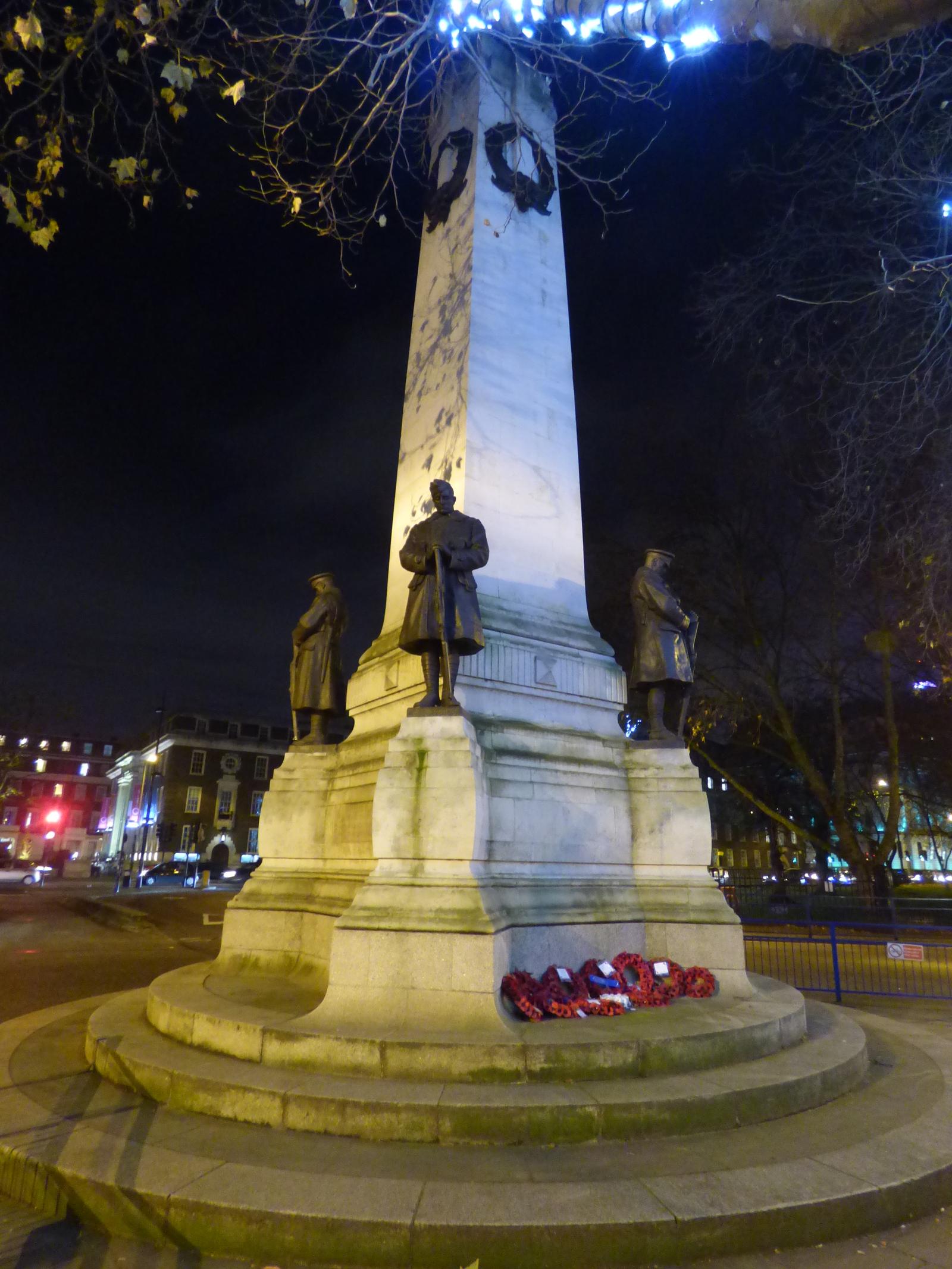
The London Borough of Camden manages 89 percent of its 286km road network without any motorways and maintains a borough-wide 20 mph speed limit, placing routine decisions about maintenance, enforcement and flow at the centre of local transport planning.
Road Network Oversight
With no motorways present, the borough directly handles the majority of its road length. This responsibility covers day-to-day repairs, signage and speed enforcement across the full 286km network. The 20 mph limit applies throughout, shaping how vehicles move through residential and commercial areas alike. These elements require regular review as traffic volumes and resident needs shift.
Officials must weigh how to allocate resources between the borough-controlled roads and the remaining share managed by other bodies. Continued attention to the speed limit involves monitoring compliance and adjusting measures where needed to keep traffic consistent with the existing policy.
Rail Hub Operations
Camden serves as a strategic transport hub with three major rail termini at Euston, King's Cross and St Pancras. Multiple Underground lines, including the Northern, Victoria and Jubilee lines, connect these stations to the wider city. Daily operations at these termini influence passenger volumes on surrounding streets and feeder routes.
Coordination between rail services and local roads remains a standing item. Any adjustments to station access, interchange capacity or nearby traffic controls must account for the existing layout of the three termini and the listed Underground lines.
Air Quality Considerations
Road transport accounts for half of all PM10 and NO2 emissions in the borough. This established contribution ties directly to the management of the 286km network and the operation of the 20 mph limit. Future choices about enforcement, route priorities and vehicle restrictions will determine whether that share changes.
Because road transport remains the dominant source, decisions on speed compliance and network maintenance carry implications for overall emissions levels. The borough's direct control over 89 percent of the roads gives it primary scope to influence this outcome through existing policy tools.
Looking ahead, the combination of road oversight duties, rail hub demands and the documented emissions share points to continued attention on how these elements interact. The London Borough of Camden will face recurring choices on enforcement priorities, maintenance scheduling and integration between road and rail facilities, all grounded in the current network structure and pollution data.
References Sourced but Not Limited to:
- camden.nsw.gov.au · Traffic and transport
- democracy.camden.gov.uk · Item 11 Camden Transport Strategy Appendix A
- nj.gov · Camden
- camden.gov.uk · 1925.7 Camden Transport Strategy Main Document FV
- camden.gov.uk · 3c191a6b e1b4 9915 9a91 b3eb5ebf52e8
- en.wikivoyage.org · Camden
- en.wikipedia.org · London Borough of Camden
- en.wikipedia.org · Camden Town
- whyy.org · Camden pilots public transit shuttles via new jersey
- ravenrenewables.co.uk · Project win camden