news
Camden’s Approach to Neighborhood Development in Contrast with Global Peers
As cities worldwide grapple with urban growth, Camden’s strategies reveal both challenges and opportunities unique to its context.
How we reported this
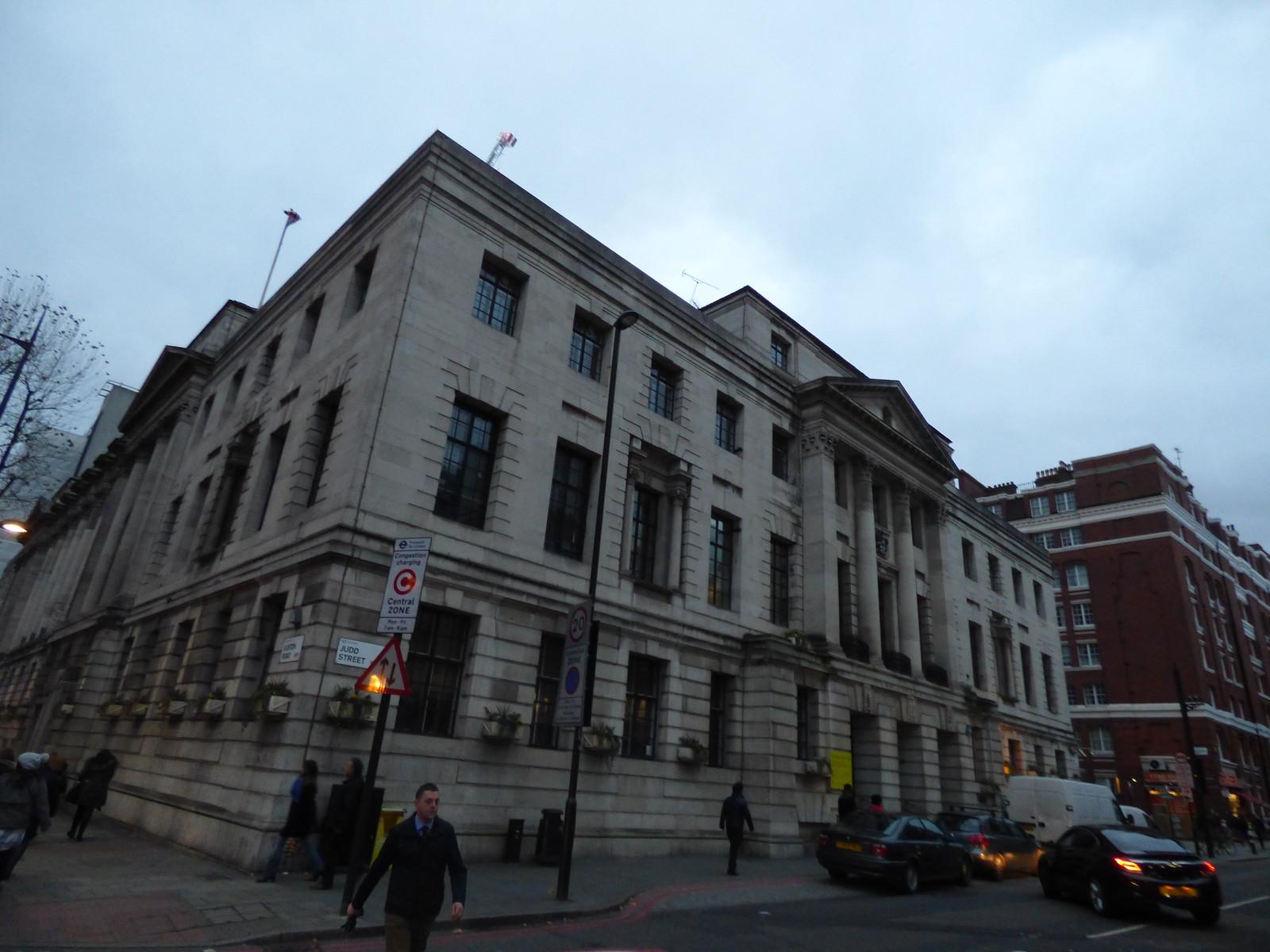
Camden is navigating neighborhood development amid pressures that echo challenges faced by cities globally. Unlike some international counterparts investing heavily in large-scale infrastructure or intelligence-driven urban planning, Camden’s approach focuses more on community-centred projects and gradual neighborhood improvements.
Global Trends vs Camden’s Local Response
Worldwide, metropolises are embracing vast development programs driven by data and security concerns; for instance, Japan has recently established a national intelligence agency for the first time since World War II, reflecting a strategic long-term vision linked to national security and urban growth. Camden, by contrast, is not engaged in such national-scale policy shifts but concentrates on incremental enhancements aimed at residents' quality of life.
This local focus matters because urban development interventions often shape how communities evolve socially and economically. Camden must balance heritage conservation with modernisation, a concern similar to that faced by cities in Europe and North America but tackled with a different resource base and scale.
Local Efforts Shaping Camden’s Neighborhoods
Specific initiatives in Camden include targeted revitalisation programs in areas like King’s Cross and Camden Town, where investments in cultural venues and housing aim to boost livability and attract visitors without overwhelming existing communities. While Camden’s changes may not mirror the large-scale, data-driven intelligence apparatuses emerging elsewhere, the city’s pragmatic choices reflect awareness of local needs.
The gradual nature of Camden’s developments means the changes are seen more in community-level enhancements than rapid urban transformations. This aligns with the city’s modest investment capacity compared with megacities globally but emphasizes social cohesion and sustainability over the swift commercialization seen elsewhere.
Unlike cities contending with acute crises such as wildfires or armed conflicts documented in recent global news, Camden’s urban challenges are less about immediate disasters and more about long-term adaptation. The city’s policymakers appear to prioritise cultural vitality and neighborhood identity as a strategic asset.
Looking ahead, Camden’s path suggests continued emphasis on incremental improvements, community engagement, and managing growth cautiously. Residents seeking involvement in local decision-making or updates on development proposals can consult Camden Council’s public meetings and planning department communications for the latest.