news
Brixton Tackles Transport Challenges as Summer Season Unfolds
Updates on Brixton's transport situation reflect ongoing challenges and community adjustments as summer unfolds.
How we reported this
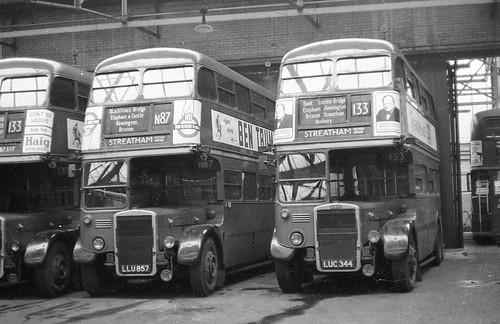
Transport and traffic issues in Brixton have continued to draw attention this week, as local residents and commuters experience the impacts of recent developments across London’s transport network. Congestion remains a daily challenge, compounded by ongoing city-wide events and infrastructure changes.
Why It Matters Now
Summer months typically see increased urban mobility and leisure travel in Brixton, placing additional strain on public transport services and roadways. The pressure exacerbates delays and overcrowding, which affects not only local businesses but also daily commutes. This week’s developments highlight how Brixton fits into broader London transport trends, as well as reflect community concerns about accessibility and reliability.
Brixton’s Local Transport Situation
Residents near Brixton Station and along Coldharbour Lane have reported heavier traffic than usual as pedestrian and vehicle flow intensifies. While London’s coordinated transport plans aim to balance demands, interruptions and occasional service adjustments ripple through this south London hub. Local bus routes serving the area continue to be a primary mode for many commuters, yet capacity constraints during peak hours remain a problem.
Community organizations have noted an uptick in calls and feedback concerning bus delays and increased journey times this week. Though there is no publicly confirmed statistic specifically for Brixton, the general experience aligns with recent city-wide patterns where London Transport has reiterated commitments to improving frequency and reliability following summer event seasons.
Impacts and Looking Ahead
With several summer festivals and ongoing events attracting visitors, Brixton’s transport network faces sustained demand in the short term. Commuters are encouraged to monitor Transport for London updates for potential service changes or diversions. Cycling and walking routes remain viable alternatives supported by local authorities to ease congestion in key areas such as Atlantic Road and Effra Road.
Looking ahead, sustained community dialogue and adaptive city policies will be vital to managing Brixton’s transport challenges. The week’s experiences underscore the need for ongoing attention and resources to support efficient movement around this vibrant locale.