news
Brixton's Traffic Crisis: How 50 Years of Urban Change Created Gridlock
Understanding the local transport issues requires tracing the historical shifts in policies and development shaping today’s congestion and public transport pressures.
How we reported this
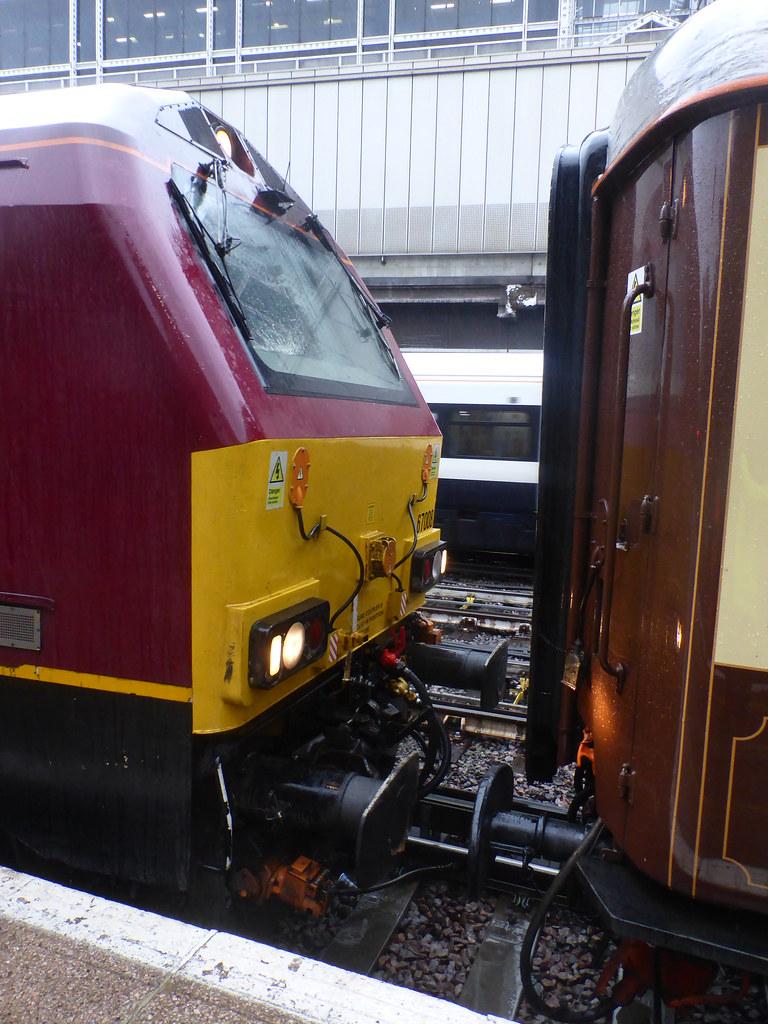
Brixton’s streets remain clogged at peak hours, and residents face frequent delays on buses and trains. This situation stems from a complex backdrop of urban development choices and infrastructure shifts that have unfolded over several decades.
Why Now: A Convergence of Growth and Legacy
The current transport strains highlight the outcomes of post-war rebuilding, population growth, and evolving commuting patterns. Brixton, historically a hub for commercial and residential activity, became increasingly reliant on road traffic as car ownership rose, while investment in public transport infrastructure struggled to keep pace. Urban policies that prioritised road networks in the mid-to-late 20th century laid groundwork for today’s congestion.
Over time, as Brixton developed into a vibrant inner-city district with a growing population, residents and businesses increasingly experienced the limitations of lasting infrastructure designed primarily for an earlier era’s demands. The mix of legacy road layouts and the steady rise in vehicle numbers has contributed to bottlenecks on key arteries like Railton Road and Acre Lane.
Local Ties and Transport Realities
Several local programmes have aimed to alleviate Brixton’s transport pressures. For example, efforts to expand cycling infrastructure and introduce bus priority lanes along key routes sought to provide alternatives to car travel. Additionally, Transport for London has periodically reviewed bus routes and service frequencies to adapt to changing traffic patterns. However, these measures address symptoms rather than the root causes inherited from decades of urban planning decisions.
Moreover, Brixton’s transportation challenges cannot be seen in isolation. The wider London context includes increasing population density and competition for limited road space, which affects local flows and network efficiency. The recent reopening of nearby amenities and venues adds short-term pressure during events, further illustrating how transport planning must consider dynamic local conditions.
Evidence in the Flow and Future Steps
While specific numbers for Brixton’s traffic volumes and delays vary, the qualitative evidence paints a clear picture. Peak hours regularly bring slow-moving traffic that disrupts emergency services, delivery logistics, and public transport punctuality. The cumulative effect is felt across daily life, business operations, and community well-being.
Looking ahead, those navigating Brixton’s streets and transport links should stay informed about ongoing reviews by local councils and Transport for London relating to road use and public transit improvements. Community engagement initiatives are also expected to grow, allowing residents to participate in shaping more sustainable and efficient transport solutions.
Practically, commuters and drivers in the area may find value in exploring multi-modal options, such as combining cycling with train travel or walking short distances instead of driving. These adjustments, alongside longer-term infrastructural changes, will be essential to easing Brixton’s transport challenges that have roots deep in its urban development history.