news
Brixton Transport Delays: Here's What Residents Need Know Now
Delays and congestion in Brixton’s transport network affect daily life and community wellbeing in the heart of south London.
How we reported this
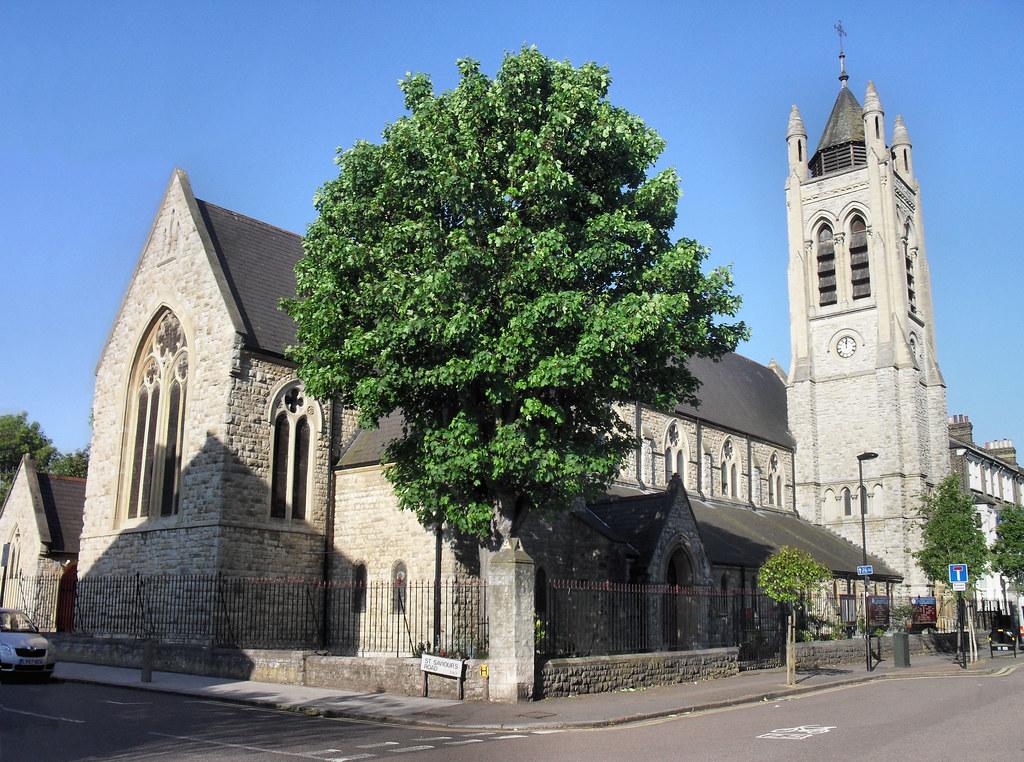
Commuters and residents in Brixton have been facing increasing transport delays and traffic congestion that impact everyday activities, from work commutes to school runs. The ripple effects are felt across local streets and businesses, raising concerns about the community’s ability to move efficiently within the area.
Why Transport Stability Matters Now
Transport challenges have become more pressing amid broader regional shifts and ongoing urban development in Brixton. With a growing population and rising commercial activity, any disruption to transport services leads to longer journey times and increased stress for those relying on public and private transit options.
Beyond inconvenience, these transport issues affect access to essential services such as healthcare and education within south London’s densely populated districts. The lack of reliable routes and increased traffic also compromise air quality and public safety, underscoring the need for focused attention on sustainable transport solutions and traffic management.
The Local Impact: Streets and Community Life
Key hubs like Atlantic Road, Brixton Road, and Coldharbour Lane have seen traffic backlogs during peak hours, deterring shoppers and slowing delivery services that sustain local businesses. The disruption extends to transport nodes like Brixton Underground station, where delays in Underground and bus services compound difficulties in connecting to central London and neighboring boroughs.
Community venues and markets, including the Brixton Village and Pop Brixton, depend on accessible transport to attract visitors and maintain vibrant foot traffic. Persistent congestion and service interruptions risk reducing attendance and curbing economic activity at these vital cultural and social spaces.
Residents express frustration over the lack of alternative routes and insufficient communication from transport authorities when incidents occur. Such gaps in planning and response highlight vulnerabilities in the current transport infrastructure that require urgent review.
Looking Ahead: What Residents Can Expect
While there is no singular quick fix, improving traffic flow and reliability of transport services in Brixton involves coordinated efforts between Transport for London, local councils, and community groups. Measures may include re-routing buses during peak congestion, upgrading signalling systems at transit hubs, and enhancing cycling infrastructure to provide practical alternatives.
For now, residents should plan for extra travel time during peak periods and remain updated via official Transport for London channels to navigate disruptions. Supporting local initiatives aimed at sustainable transport could also contribute to long-term benefits for Brixton’s community and environment.