finance
Retail Boom Creates New Jobs, Reshapes Brixton's Labor Market
A surge in retail openings is influencing employment patterns and skills needs across Brixton’s vibrant business community.
How we reported this
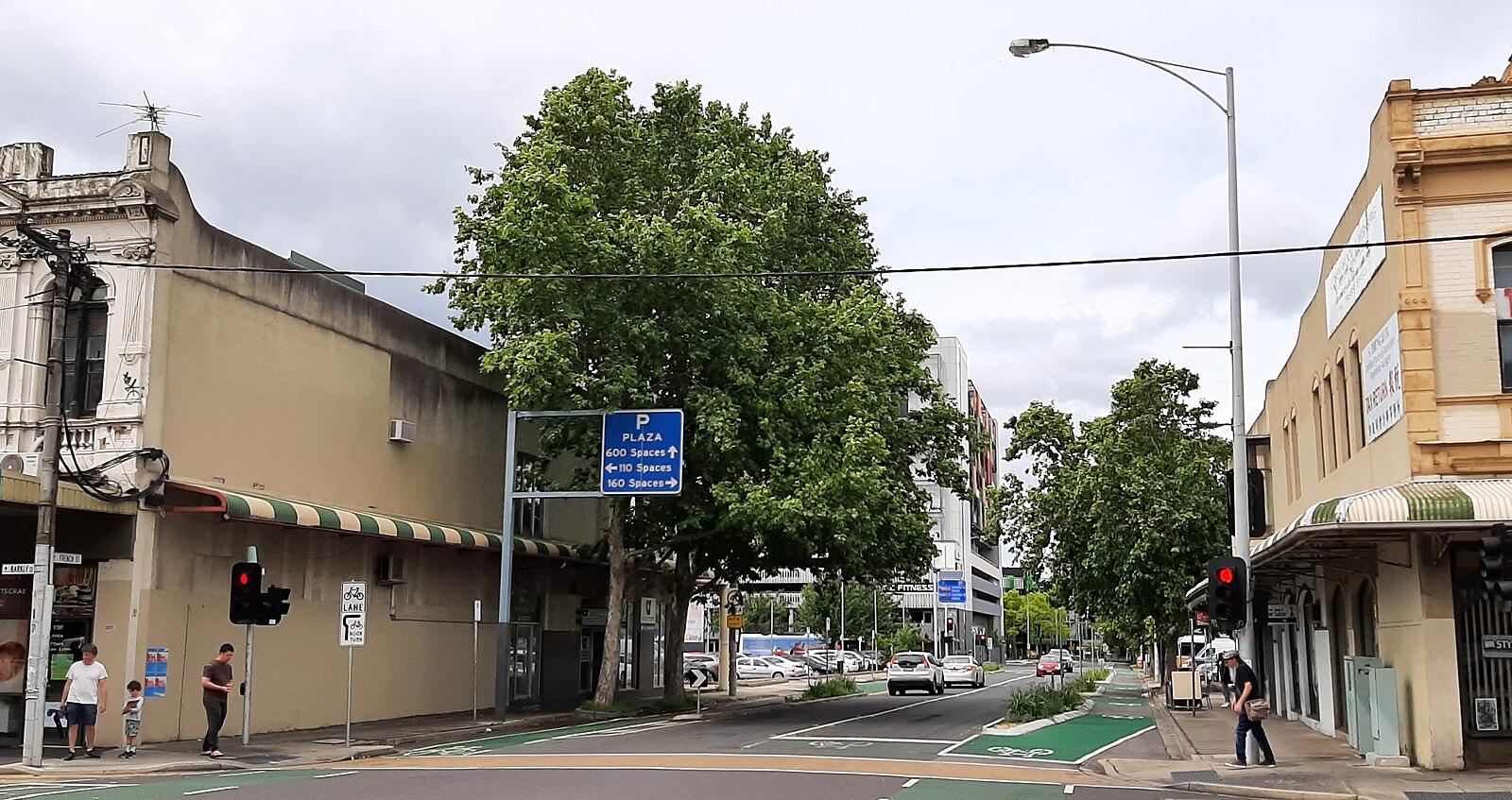
Retail activity in Brixton is accelerating, with new shops and consumer spaces altering the local employment landscape. This expansion is increasing demand for frontline retail workers and reshaping the types of skills sought within the area.
Retail Growth Amid Broader Economic Pressures
Across the UK and globally, recent months have seen complex disruptions including geopolitical tensions and climate-related emergencies affecting supply chains and consumer confidence. Brixton, with its dynamic business ecosystem, is nonetheless experiencing a rebound in retail openings following a period of volatility earlier this year. These openings are critical as retail remains a key sector for urban jobs and economic vitality.
For Brixton in particular, retail supports not only direct employment but also the wider hospitality and creative sectors intertwined with local shopping districts. While exact figures from official sources are not yet public, anecdotal reports indicate a marked rise in retail hiring efforts to support new storefronts on key commercial streets.
Local Developments and their Employment Impact
Although detailed statistics specific to Brixton’s retail sector are unavailable, the trend toward opening and expanding shops in neighbourhood hubs such as Coldharbour Lane and Brixton Village is palpable. These established shopping areas have attracted a fresh wave of businesses eager to capitalize on returning foot traffic and a consumer shift toward experiential and speciality retail.
The potential increase in retail jobs includes sales associates, stock managers, and customer service roles, many of which require adaptable skill sets including digital literacy for handling modern point-of-sale systems. This trend also encourages local workers to acquire more diverse competencies to meet employers’ evolving expectations.
Moreover, these retail expansions are creating ripple effects, stimulating demand for talent in adjacent sectors such as supply logistics and marketing. This inter-sectoral employment growth reflects Brixton’s interconnected economy and underscores the importance of skill development tailored to current market realities.
Local workforce development programs, while not quantified here, would be well positioned to align training initiatives with these new retail demands, enhancing both employability and job retention within the community.
In summary, Brixton’s retail resurgence is shaping a labor market adaptation driven by fresh openings and changing consumer behaviours. Workers seeking to enter or advance in retail would benefit from focusing on flexible skill sets, embracing technological tools, and engaging with local support programs to navigate this evolving landscape.
This article is general information only and is not personal financial or investment advice. Consider your own circumstances and seek licensed professional advice before making financial decisions.