finance
Brixton's Commercial Growth: Key Economic Signals Explained for Investors
A clear breakdown of what current economic signals mean for Brixton’s property and commercial investment landscape.
How we reported this
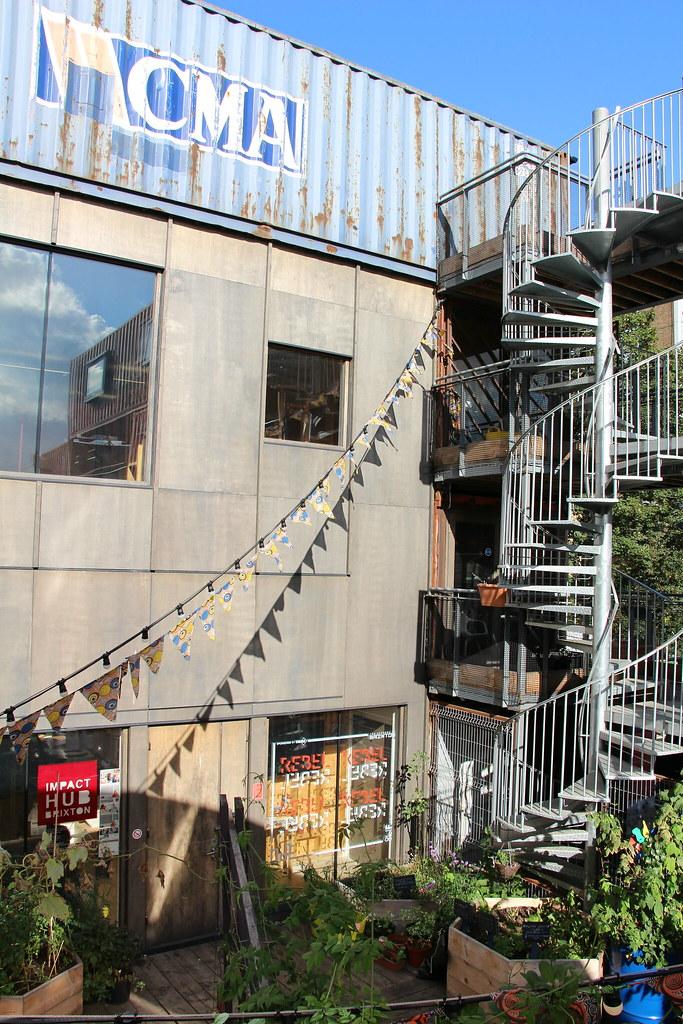
Brixton is experiencing notable activity in its commercial development sector, shaped by shifting economic indicators and fluctuating investment flows. While specific recent statistics for Brixton's commercial real estate are not available, observing broader economic trends helps understand how this vital part of the local economy is evolving.
Why Economic Indicators Matter Now
Economic indicators such as employment rates, consumer confidence, and business investments serve as vital signals affecting real estate demand in Brixton. In the wake of ongoing global uncertainties, including geopolitical tensions and regional disruptions, investors and developers have become more cautious, prompting a recalibration of project timelines and investment strategies.
For Brixton, with its globally connected business culture, these indicators influence everything from retail occupancy along Electric Avenue to office space demand in Brixton Village and beyond. Investors track these signals to gauge when to accelerate or pause commercial development initiatives, impacting construction activity and local employment.
Local Commercial Development Context
Brixton’s landscape includes a mix of long-standing retail hubs, emerging creative workspaces, and revitalised industrial sites. Commercial development here often balances preserving cultural character with modern demands for flexible office space, a trend magnified by changing work patterns globally. Projects in areas like Brixton Hill and Atlantic Road have accordingly adapted, reflecting cautious yet strategic investment flows.
Developers and investors weigh these neighborhood dynamics alongside broader economic signals, ensuring developments align with evolving business needs. This approach aims to maintain Brixton's appeal as a destination for entrepreneurs and emerging industries while supporting established commerce.
Evidence and Investment Trends
Though no Brixton-specific commercial investment figures are provided in available sources, the wider economic environment points to a moderation in risky asset flows. With major international markets experiencing volatility, local investors in Brixton have been more selective, focusing on developments with clear demand drivers such as mixed-use projects combining retail and office space.
This measured stance is consistent with broader market patterns during periods of geopolitical instability and economic uncertainty. As a result, investment tends to concentrate on projects with strong fundamentals and community integration, rather than speculative developments.
What Comes Next for Investors and Businesses
For local businesses and potential investors, staying attuned to economic indicators remains crucial. While the current climate calls for prudence, Brixton’s strong cultural foundation and strategic location mean that long-term commercial opportunities persist. Prospective investors should focus on developments designed for flexibility and resilience, considering hybrid work trends and community engagement.
Brixton’s commercial scene will continue adapting to this evolving economic landscape, with development pipelines reflecting a balance between cautious investment and the area’s distinctive appeal. Businesses and developers alike will benefit from closely monitoring market signals and aligning investments with Brixton’s unique local character and economic realities.
This article is general information only and is not personal financial or investment advice. Consider your own circumstances and seek licensed professional advice before making financial decisions.